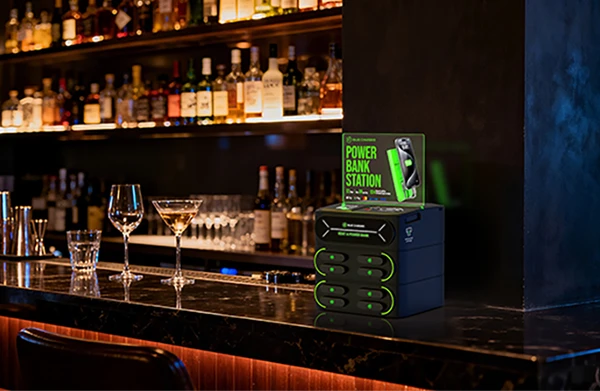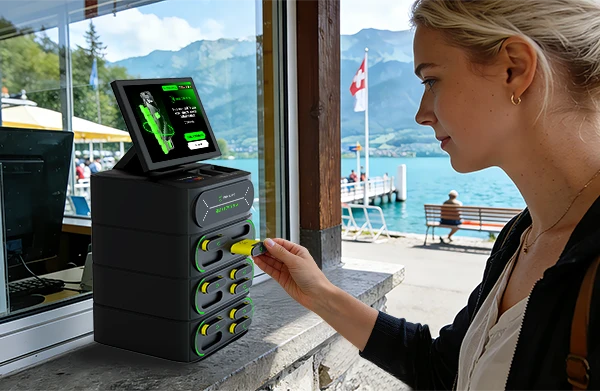

As people become increasingly dependent on mobile devices, while battery technology advances relatively slowly, consumers in many countries continue to face battery anxiety and insufficient phone battery life. Because of their convenient grab-and-go rental model, shared power banks are widely deployed in restaurants, airports, transportation hubs, shopping centers, and many other public venues. They provide convenient charging services for users while generating stable cash flow for operators.
When expanding a portable charger business globally, payment compliance is extremely important. Tax compliance and payment compliance directly determine whether a shared power bank business can operate sustainably in local markets.
1.What Risks Can Non-Compliant Payment Channels Bring to a Portable Charger Business?
Frozen Funds and Interrupted Cash Flow
If operators use non-compliant payment channels, regulatory authorities may conduct risk control reviews on merchant accounts. Once abnormal transactions are detected, issues such as delayed settlements, frozen accounts, and restricted withdrawals may occur.
Shared power bank operators usually manage large numbers of devices with high transaction frequency. Once cash flow problems arise, they can directly affect device deployment, revenue-sharing settlements, and market expansion.
Inability to Support Large-Scale Operations
The shared power bank business generates massive order volumes, and each device may produce multiple transactions every day. Since this industry relies heavily on large-scale operations, the more devices an operator deploys, the greater the impact payment issues can have.
Low payment success rates and frequent failures during peak periods can seriously damage the user experience and lead to operational losses. Non-compliant payment systems also cannot automatically configure tax rates or support global business expansion efficiently.
Payment Failures and Lost Orders
Unstable payment channels may cause payment pages to fail, transactions to be declined, duplicate charges, or unsuccessful deductions, reducing rental conversion rates.
When users urgently need to charge low-battery phones, they expect fast and seamless payments. If payment fails, users may abandon the rental entirely, resulting in lost orders.
Regulatory Penalties and Legal Risks
The mobile charging station business involves automatic deductions, overtime charges, pre-authorizations, and deposit management. Regulations surrounding payments and taxation are becoming increasingly strict across different countries and regions.
If operators use unregulated payment systems or fail to comply with local tax policies, they may face fines, business restrictions, or even legal penalties. In key markets such as Europe, North America, and Southeast Asia, payment compliance has become essential for successfully operating a shared charging business.
2.How Does Payment Compliance Bring Long-Term Value to the Power Bank Station Business?
Reducing Operational Risks
Shared charging station businesses rely on bank cards, credit cards, e-wallets, and other payment methods to complete transactions. Non-compliant payment channels can easily lead to frozen funds, account restrictions, transaction limitations, and unstable cash flow, directly affecting daily operations.In overseas markets, regulatory requirements for payments are becoming stricter. Only compliant payment systems can support long-term business growth.
Improving the User Payment Experience
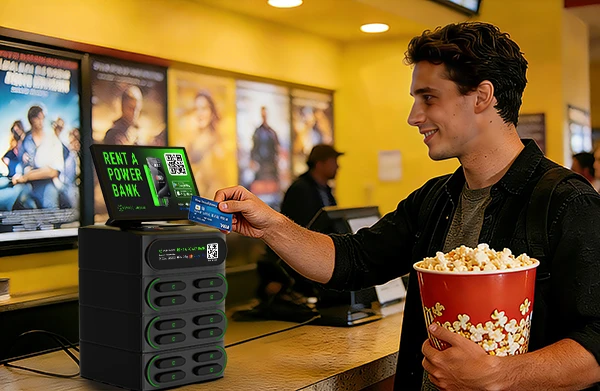
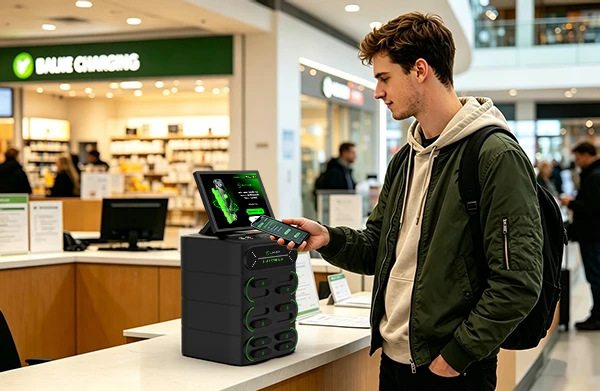
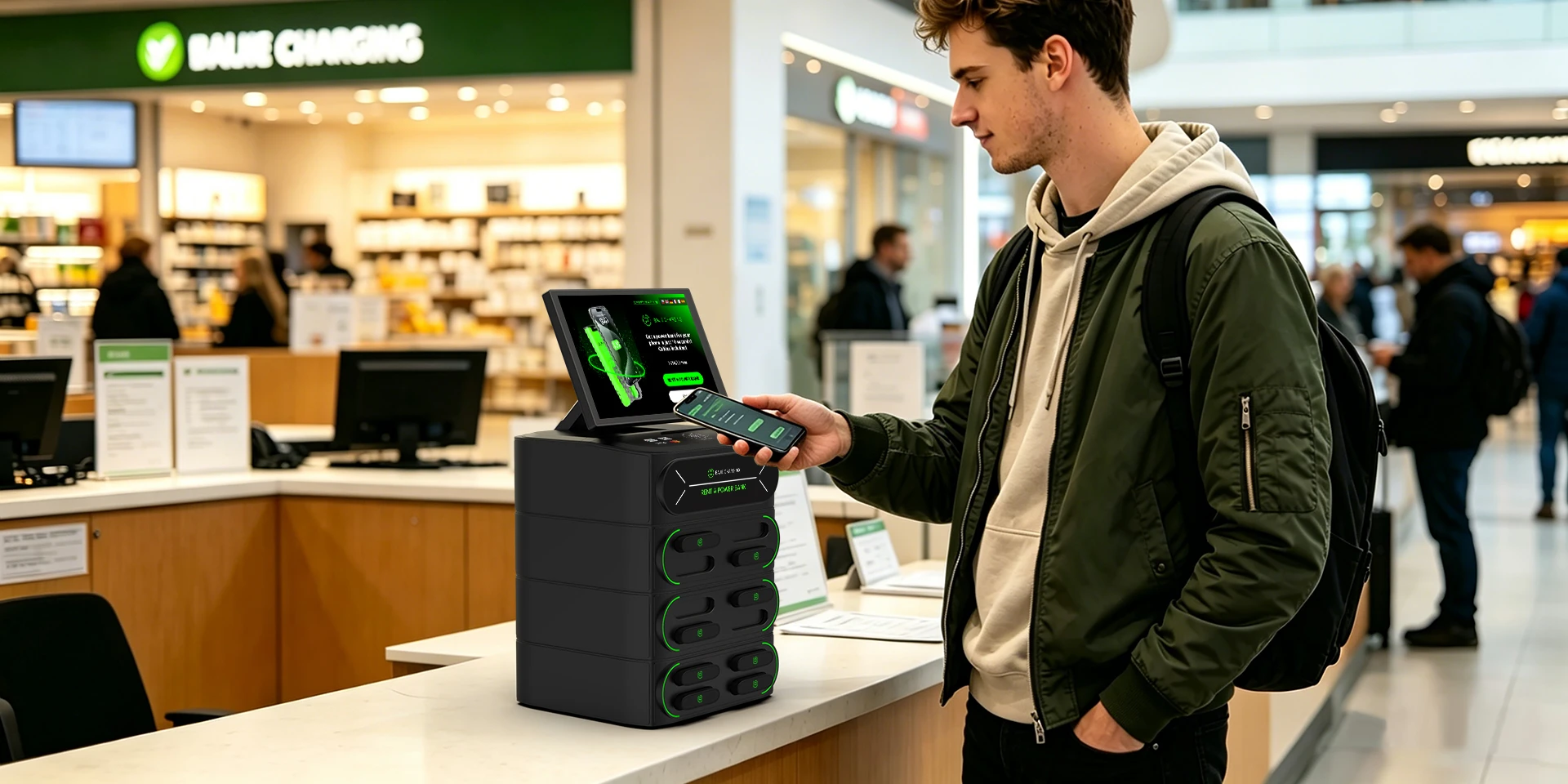
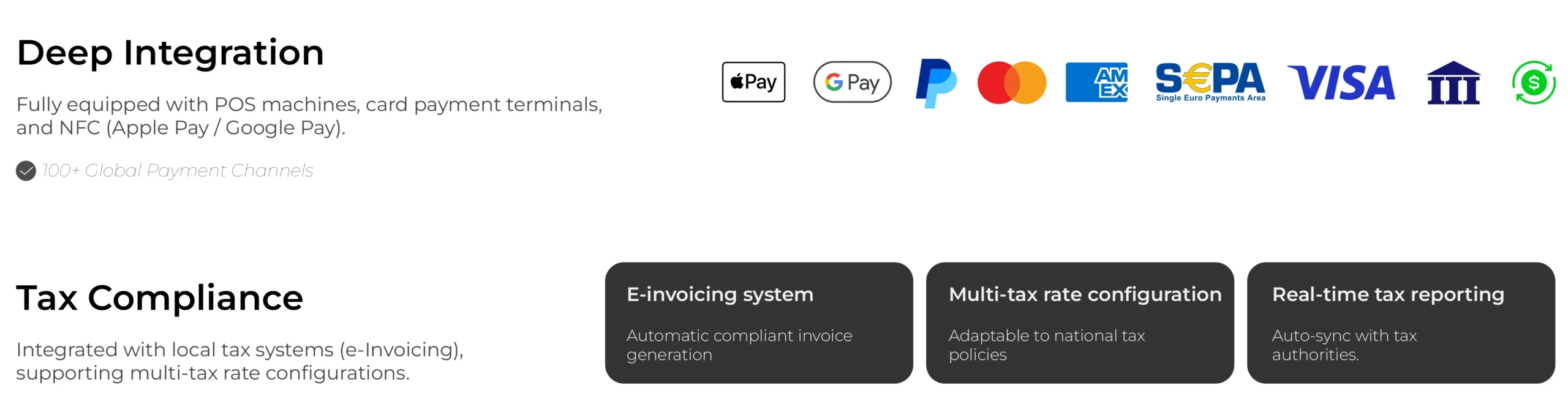
Consumers in different countries prefer different payment methods. Users in Europe and North America often prefer credit cards, while e-wallets are highly popular in Southeast Asia.By supporting local mainstream payment channels, credit cards, mobile payments, and NFC payments such as Apple Pay and Google Pay, fast charging power bank platforms can significantly improve rental success rates.Convenient rental and payment experiences also encourage users to repeatedly use shared phone charging services.
Supporting Local Tax Policies and Global Expansion
Tax regulations vary widely across Europe, Southeast Asia, the Middle East, and other regions. Advanced SaaS platforms can integrate with local tax systems and automatically generate compliant invoices.Flexible multi-tax-rate configurations allow operators to adapt to different regional tax requirements. Real-time tax reporting and automatic synchronization of transaction data with tax authorities help operators reduce compliance risks and operate more steadily.
Building Brand Trust Through Payment Compliance
When users can rent a power bank through familiar payment methods such as QR code payments, credit cards, or NFC payments, the secure and convenient payment process increases trust in the brand.Reducing concerns about payment security helps operators build stronger long-term brand value.
Compliant Revenue Sharing and Automatic Settlements
SaaS systems can support multi-level revenue-sharing structures between headquarters, agents, and merchants, ensuring transparent profit distribution.Features such as automatic settlement, real-time reconciliation, and flexible commission allocation make earnings clear and traceable for all parties involved.Enterprise-level security systems, including data encryption, permission management, and audit logs, also help protect fund flows and user privacy.
Conclusion
Payment compliance directly affects whether a fast-charging power bank business can achieve sustainable long-term growth. Tax compliance risks may lead to fines, operational restrictions, and disruptions to cash flow. Frozen funds or unstable payment channels can interrupt operations and reduce user rental frequency.
A compliant portable phone charger SaaS platform can provide secure and reliable payment solutions, support multi-currency settlements and flexible tax configurations, and automatically adapt to local tax regulations in different countries. This enables operators to expand and manage shared charging businesses across multiple international markets more efficiently.