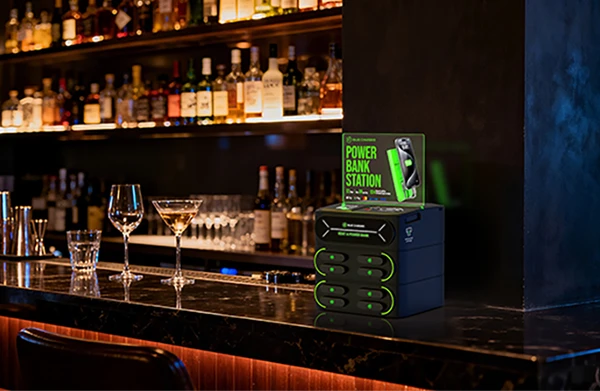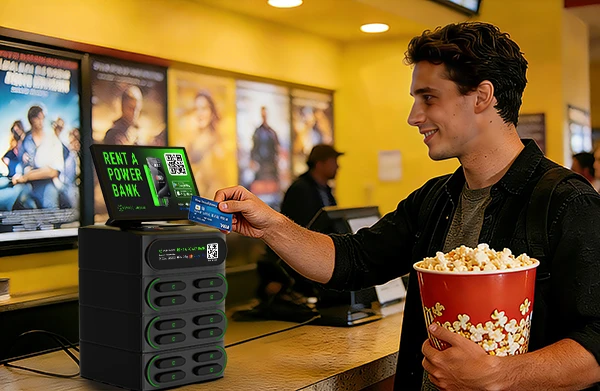

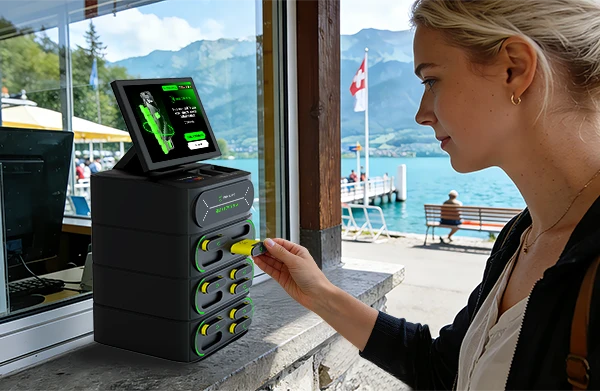
People’s reliance on smartphones has penetrated every aspect of social interaction, daily life, work, and entertainment. Fast battery consumption creates frequent charging needs when people are on the go, making shared power banks a convenient solution. High-frequency usage also brings continuous cash flow to power bank rental operators. As a result, many entrepreneurs are eager to enter this industry and seize the opportunity.
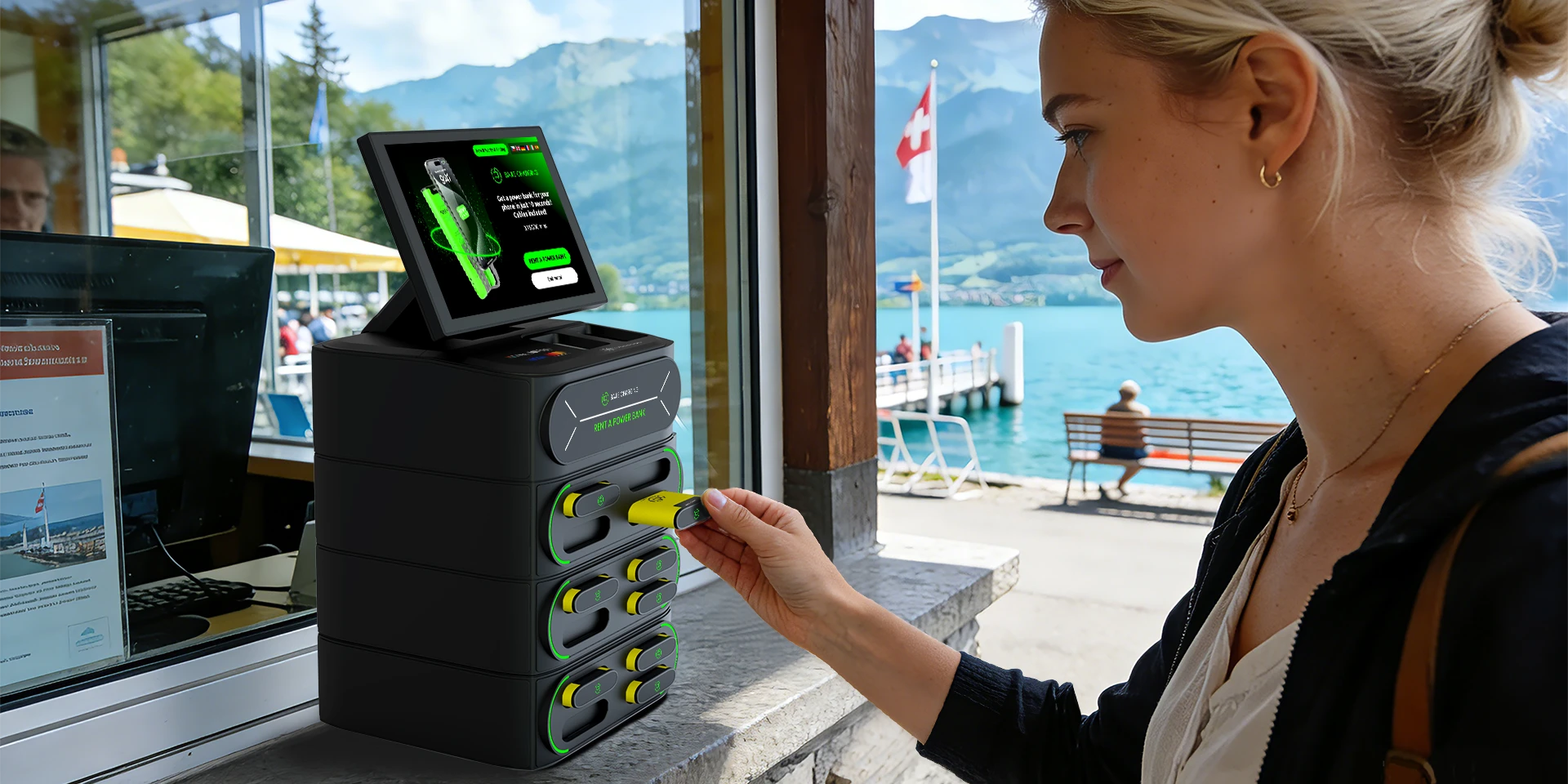
So, what risks are involved in starting a shared power bank business, and how can they be mitigated? This article analyzes key risks from the perspectives of product, technology, operations, and maintenance to provide practical guidance.
1. What Are the Risks in Mobile Charging Station Equipment and Technology?
To reduce initial costs, some operators may choose low-priced equipment. However, such devices often suffer from high failure rates, unstable systems, and battery safety issues under high-frequency use, leading to direct financial losses.
Low-quality devices may also have slow charging speeds or falsely advertised battery capacity, severely affecting user experience. Frequent complaints and poor user experience can damage brand reputation and hinder partnerships with high-quality venues, ultimately restricting business growth.
Additionally, small manufacturers often lack strong R&D capabilities, making it difficult to keep up with market demands. Outdated technology leads to poor system stability and shorter product lifespans. The longer the equipment lasts, the greater the return on investment for operators.
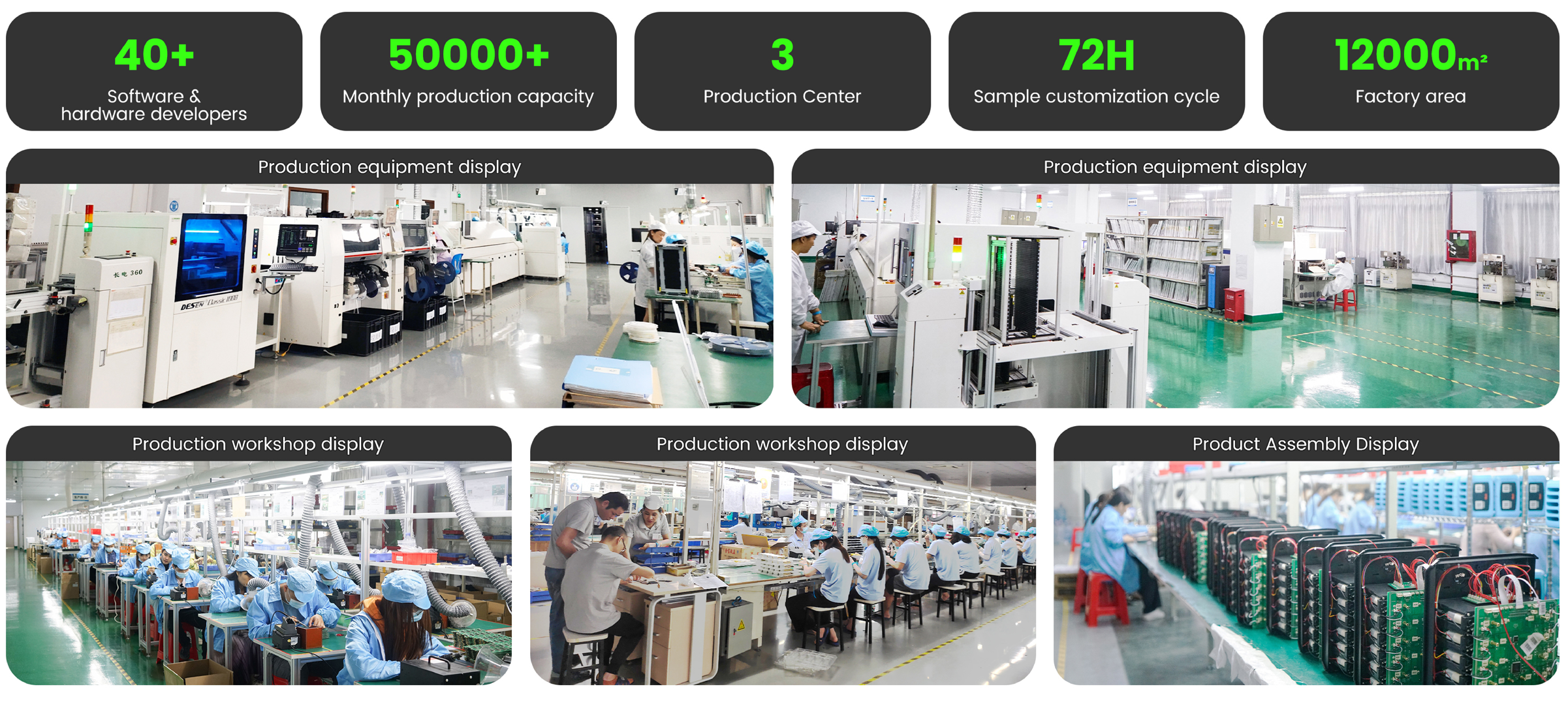
How to mitigate these risks?Choose mature and professional mobile charging station manufacturers, preferably those certified with ISO 9001 quality management systems. Certified factories have standardized production processes, product consistency, and risk management systems, ensuring high-quality products and services.
For example, Bajie Charging is an ISO-certified source factory with over 60 technical patents and 500+ successful brand deployments worldwide. It provides a complete solution including software, hardware, and payment integration, helping global partners successfully launch and sustainably operate shared power bank businesses.
2. Key Operational Considerations for Power Bank Sharing Business
Blind deployment leads to poor returns
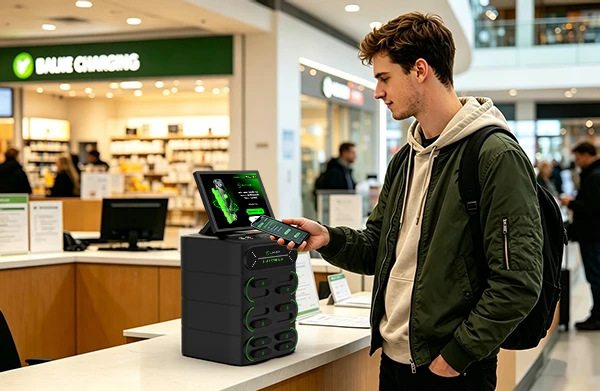
Placing devices in locations with low foot traffic or short dwell time results in low rental rates and extended payback periods. To improve profitability, operators must evaluate both foot traffic and user dwell time. High-traffic locations such as airports and shopping malls are ideal for deployment.
High operation and maintenance costs
Small manufacturers often lack stable backend systems and reliable after-sales support. Devices may frequently go offline, fail to connect to networks, or encounter firmware upgrade issues. This requires significant manual intervention, increasing labor costs and reducing operational efficiency.
A robust remote management system can monitor device status in real time, perform automatic inspections, and detect faults proactively. It enables intelligent alerts and faster issue resolution.
Operators can also assign role-based permissions to on-site staff. For example, specific employees can handle daily maintenance tasks such as restocking power banks or checking device status. When remote troubleshooting is insufficient, on-site staff can assist users directly. This combination of efficient backend management and responsive support ensures better service quality.
3. How to Improve Revenue of Mobile Charging Station Locations?
Data-driven optimization
Operators should analyze user rental behavior and location performance data to identify high-performing sites. High-frequency locations can be allocated more devices to meet demand and maximize revenue. Low-performing sites should reduce device quantity or charging slots to avoid resource waste and lower operational costs.
Extend equipment lifespan to boost profitability
Technologies such as battery health management and firmware upgrades can extend the lifespan of shared power banks. The longer the equipment operates, the higher the cumulative revenue it generates. Technology-driven lifecycle management is key to improving ROI and ensuring sustainable business growth.
Conclusion
Choosing non-professional manufacturers solely to cut costs can lead to weak technological capabilities, unstable system performance, high failure rates, and shorter product lifespans. This not only increases replacement costs but also negatively impacts user experience and brand reputation.
It is strongly recommended to work with mature manufacturers certified under international quality systems such as ISO 9001. These factories ensure standardized production, product consistency, and comprehensive risk management.
At the same time, operators should carefully select deployment locations and avoid blind expansion. Low-performing sites often result from poor evaluation—locations with low foot traffic or short dwell time lead to low usage rates and slow ROI. Focus on high-traffic, long-dwell environments such as airports and shopping malls, and use backend data to dynamically optimize device allocation.
Finally, establish a comprehensive remote management system to monitor device status in real time, conduct automatic inspections, and provide intelligent fault alerts. This allows operators to identify and resolve issues quickly, minimizing the impact of equipment failures on the shared power bank business and ensuring long-term, stable operations.
April 11, 2026