
In the era of mobile internet, smartphone users worldwide are commonly faced with “battery anxiety.” Power bank vending machines, offering instant and on-demand rental service, meet the need for convenient charging anytime and anywhere. With its strong tourism sector, high smartphone penetration rate, and long device usage time, Spain presents vast market potential for rental power banks. Forward-thinking investors are actively exploring how to efficiently enter the Spanish sharing power bank rental market, hoping to seize early opportunities.
This article analyzes the growth potential of Spain’s power bank rental kiosk market from multiple perspectives, including market demand and key influencing factors. By deeply studying target user groups, it presents refined operational strategies and service adaptation recommendations to provide investors with practical market insights and deployment plans—helping them efficiently establish a precise power bank sharing layout in Spain.
1. What is the market outlook for Spain’s rental power bank industry?
- High-frequency charging needs, expanding essential usage scenarios
According to the latest data from Meltwater, smartphone penetration in Spain is projected to reach 96.4% in 2025—among the highest in the world—showing how central mobile devices and mobile internet are to daily life. For outdoor travel, social gatherings, and daily commuting, carrying bulky power banks or searching for sockets no longer satisfies user expectations for convenient charging.

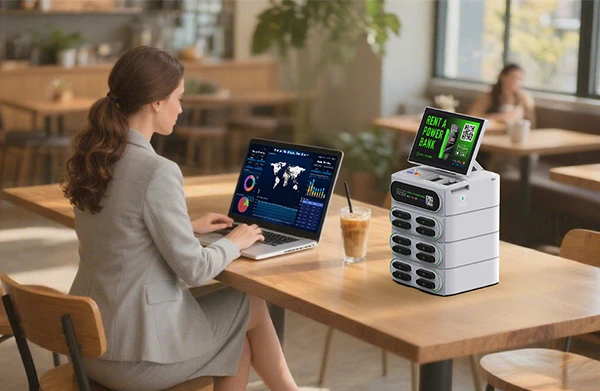
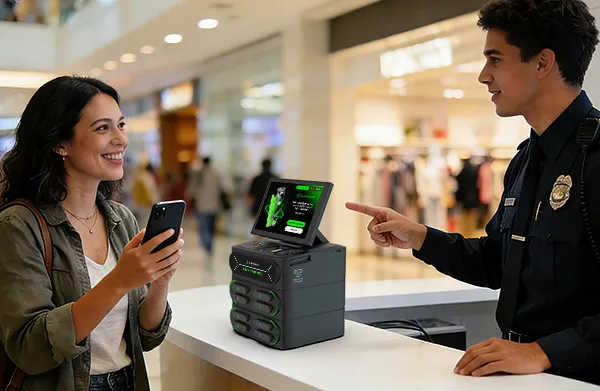
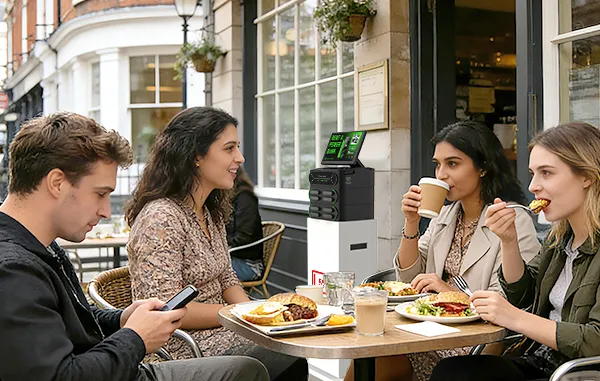
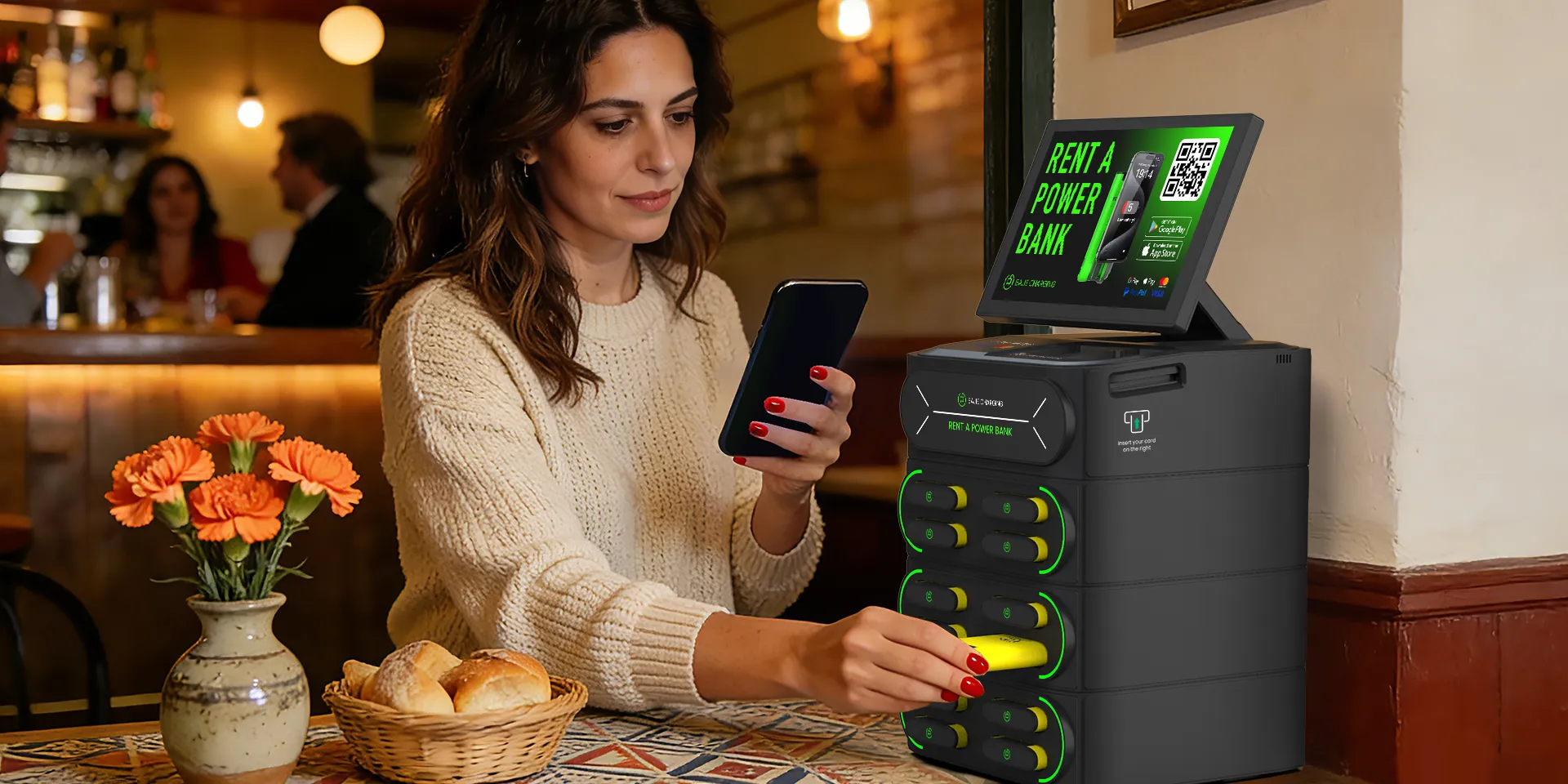
Mobile charging stations offer greater convenience, enabling instant access to power whenever needed. Buying a power bank is costly and often leads to underuse, while power bank rental stations allow users to pay only when needed—more flexible and cost-effective. Sharing power bank rental stations are deployed in malls, restaurants, and other daily consumption and public venues, letting users rent easily, use conveniently, and return anywhere.
Cell phone charger stations offer a short-term rental charging solution. Users can rent on demand and return devices at different locations, solving low-battery issues for smartphones and other electronics while outdoors. With widespread deployment across restaurants, entertainment venues, transport hubs, and commercial areas, the usage frequency and scenarios for power bank rental machines continue to grow—meeting urgent charging needs anytime and anywhere.
- High compatibility with Spanish consumer habits
Spanish users are already familiar with “pay-as-you-go” services. From shared scooters to short-term rentals, the sharing economy is widely accepted. Phone charging lockers—offering “scan, rent, return”—fit perfectly into local consumption habits, meaning lower market education cost and easier adoption.
- A booming tourism sector fuels the rental power bank market
As one of the world’s most important tourism destinations, Spain attracts millions of international travelers each year. Tourists depend heavily on smartphones for navigation, translation, payments, and social sharing—leading to high-frequency mobile usage and power consumption. This creates strong charging demand and ideal conditions for the continued growth of power bank sharing stations across Spain.
Mobile charging kiosks placed in airports, shopping districts, and tourist attractions enable instant rental and seamless return, solving tourist battery anxiety on the go.
2. How can investors capture commercial opportunities in Spain’s shared power bank market?
- Network-based deployment to secure high-traffic key locations
Given Spain’s strong tourism performance, investors can prioritize power bank rental station deployment in airports,train stations,top attractions,theme parks,museums,large hotels and resorts,To better support international travelers, mobile phone charging stations should also offer multilingual interfaces and accept mainstream global payment methods.
Tourists use smartphones intensively, draining batteries quickly. Investors may also cooperate with travel agencies and car rental firms to provide portable charging rental services during tours and rental periods—further solving mobile battery concerns.
- Deep product localization to match Spanish usage habits
Spanish consumers commonly use physical cards for offline payments, and QR-code rentals may not be ideal. Mobile power stations therefore need in-depth customization to align with local preferences.
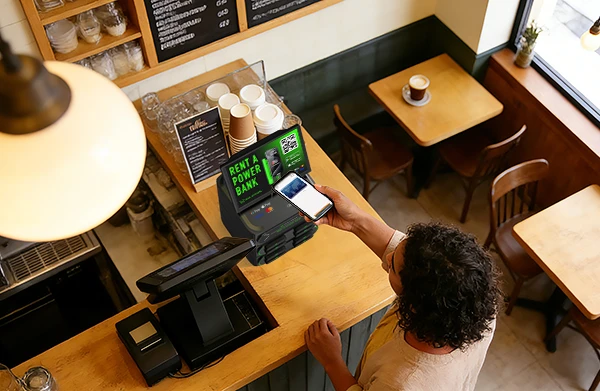
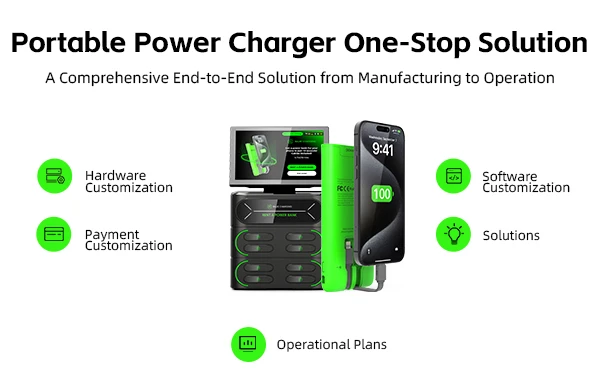
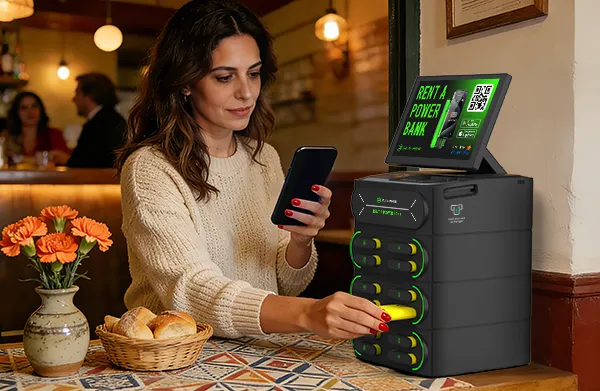
A phone charging station solution that integrates hardware, software, and payment processing into one platform allows,credit/debit card tap-to-pay rental,NFC rental (Apple Pay / Google Pay / Samsung Pay),These faster, more user-friendly rental experiences reduce friction, making power bank stations easier to adopt and more widely used.
3. Where are the top high-traffic revenue-generating locations?
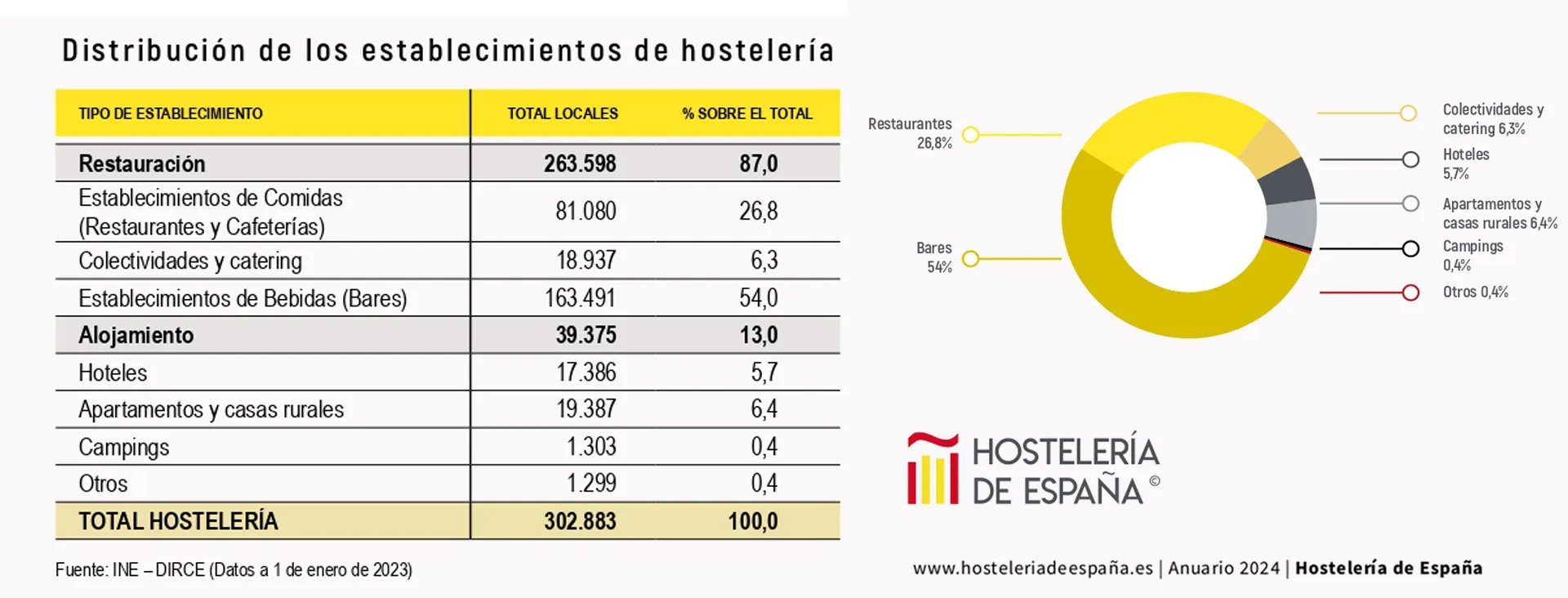
According to HOSTELERÍA DE ESPAÑA, Spain has 263,000 foodservice establishments,163,000 bars, 81,000 restaurants and cafés, 39,000 lodging venues Total: 302,000 hotel-and-catering establishments,Long customer dwell time and high charging demand mean strong rental frequency—helping investors generate more revenue.
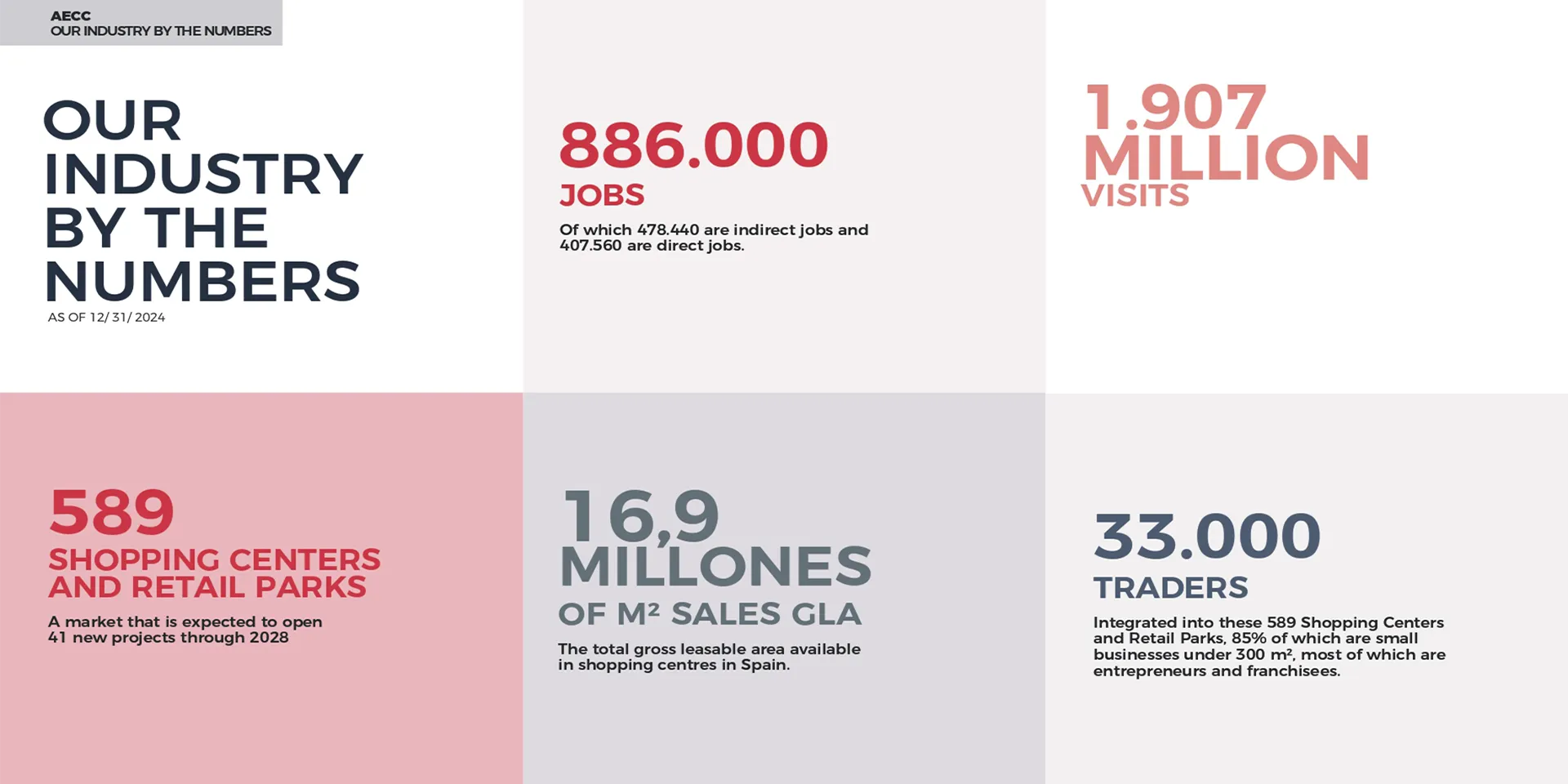
According to AECC (Spain’s shopping center & retail complex association), the country has 589 shopping centers,1.907 billion annual visitors, Such massive foot traffic creates huge potential charging demand. Phone charging lockers help relieve battery stress, offering instant and convenient charging service.
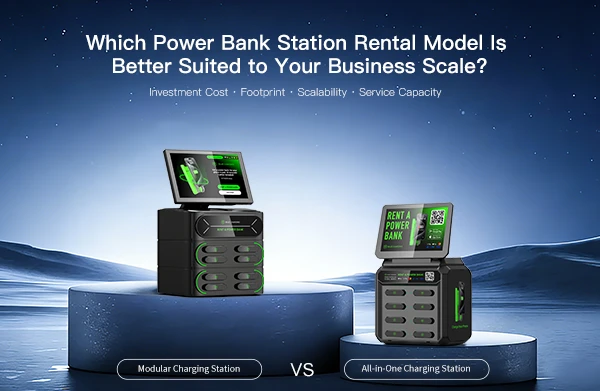
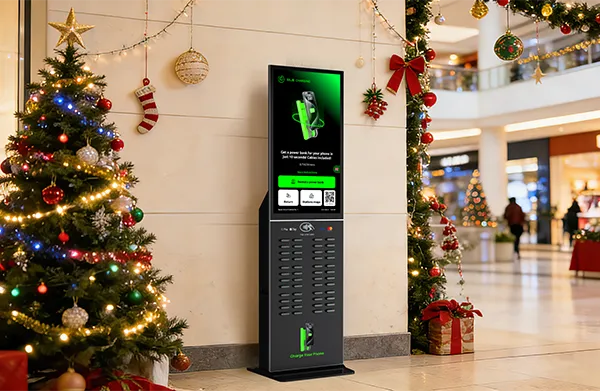
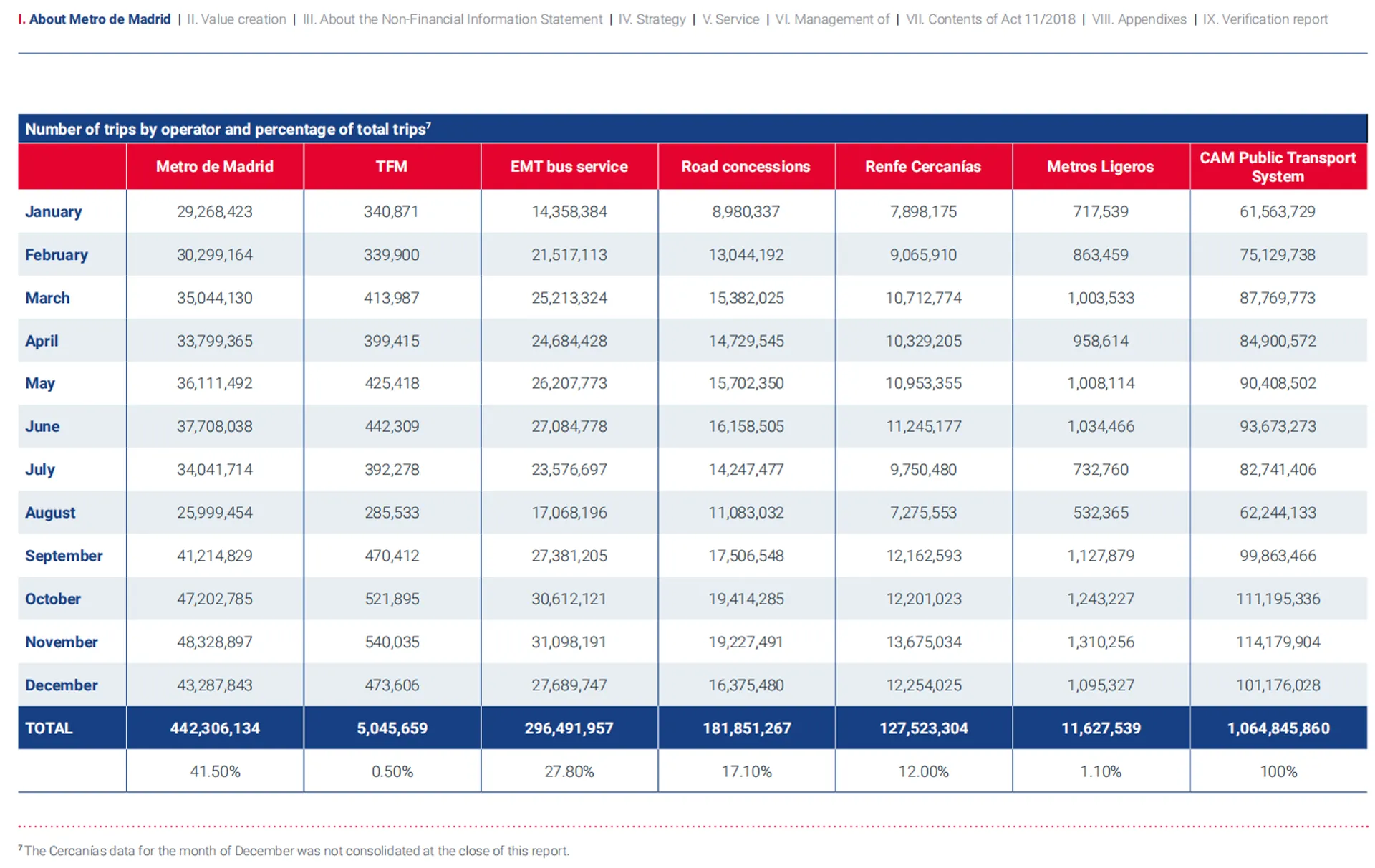
Madrid’s public transportation system also sees heavy annual passenger volume:Metro: 442 million trips,EMT bus service: 296 million trips,TFM rail line: 5.045 million trips, At high-flow transit locations, investors can deploy 72/96/168/216-port charging stations to support high-intensity usage and serve more users.
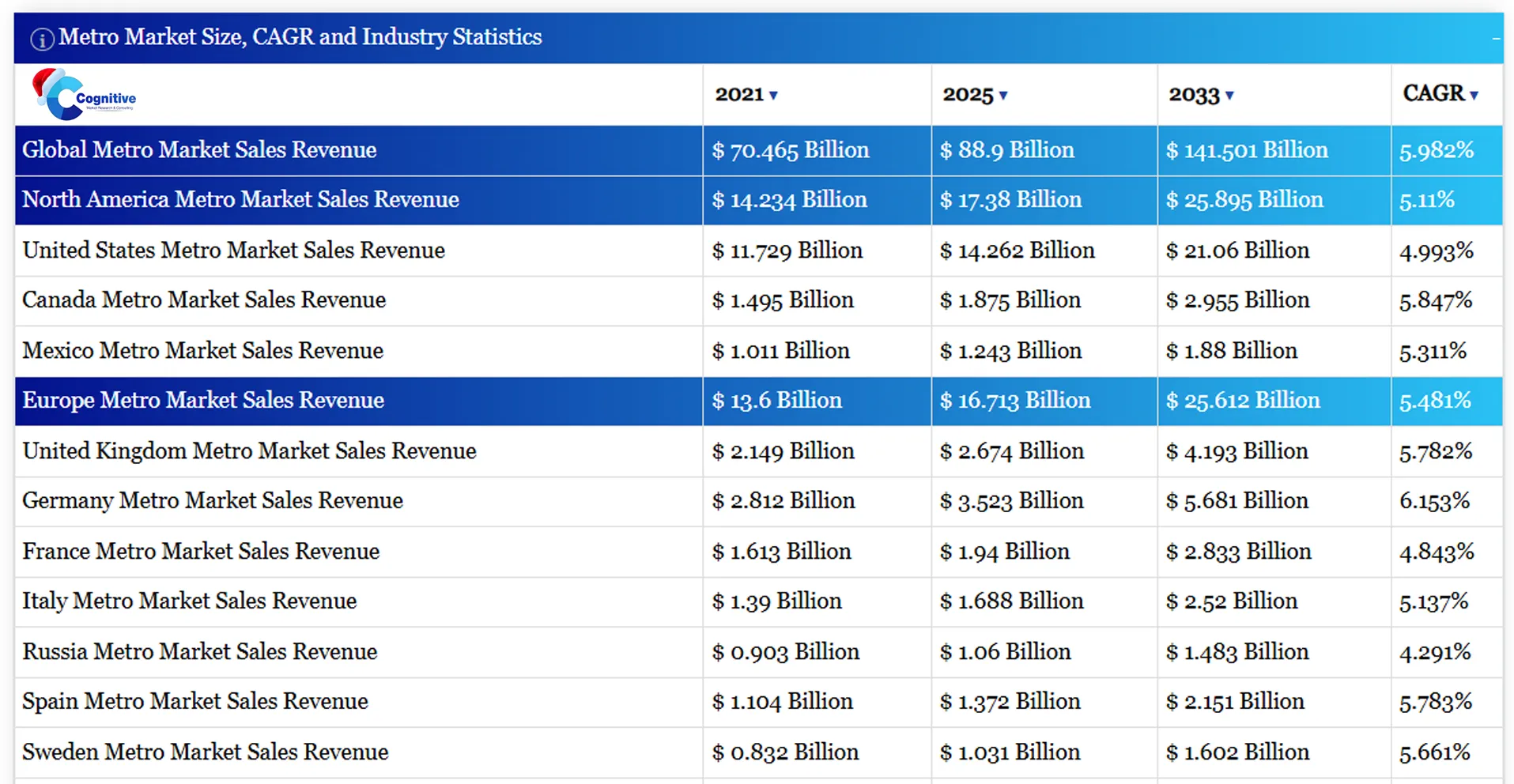
According to Cognitive Market Research, Spain’s metro system market size is expected to grow from USD 1.372 billion in 2025 to USD 2.561 billion in 2033. Increasing urban commuting density and longer travel times raise mobile power demand. With dense deployment coverage, sharing power banks can meet commuter charging needs and relieve battery anxiety.
Conclusion
With high smartphone penetration, mobile devices have become essential to daily communication, payments, entertainment, and mobile work. As a top global tourism destination, Spain sees strong charging demand from visitors, yet public charging infrastructure remains insufficient—making rental power banks a high-growth opportunity.
To succeed in Spain, technology platforms must deliver:multiple flexible payment options,multilingual support such as Spanish and English,seamless rental and return functionality,localized software, hardware, and payment solutions,These capabilities will help investors rapidly attract users and unlock the potential of Spain’s phone charging station market.
December 17, 2025