
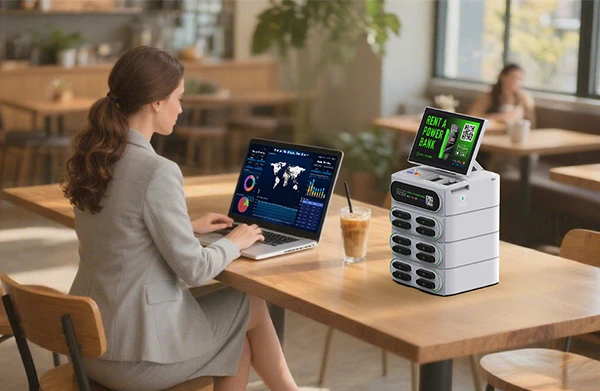
With the widespread adoption of smartphones and the accelerated development of 5G networks, users’ reliance on mobile devices continues to deepen, driving sustained growth in demand for shared power banks. More and more people are entering the portable power charger market. However, in real-world operations, concerns about equipment failures and maintenance issues can affect business revenue and stability. How to reduce device downtime and ensure stable operations is a key factor in successfully running a power bank portable charger business.
1. How to Reduce the Downtime of Portable Phone Chargers?
The longer a portable charger or power bank is out of service, the greater the revenue loss. Device unavailability severely impacts user experience—users may be unable to rent a charger when needed, or may be unable to return it due to slot malfunctions, resulting in continued billing and unexpected charges. Frequent failures of portable battery chargers can also cause long-term damage to brand reputation and lead to higher user churn.
Through a technology platform, operators can monitor the status and rental activity of power banks and cabinets in real time, dynamically track the online status of each device, available inventory, and abnormal order conditions. The system can automatically identify faults, helping operators proactively detect, quickly locate, and resolve various issues, thereby improving maintenance efficiency.
By enabling multi-dimensional management, the platform reduces device downtime and provides efficient operational support for the phone charging station business.
- Cabinet Monitoring:
Real-time control of device operating status, including alarm event monitoring, visualized operation dashboards, multi-dimensional report analysis, slot failure monitoring, and online/offline status statistics. Operational anomalies can be detected in time and addressed quickly.
- Battery Monitoring:
Comprehensive tracking of battery usage and health status, including power level monitoring, cell health analysis, charging cable status monitoring, cell temperature monitoring, as well as cumulative rental duration and revenue statistics. Abnormal alerts are pushed in real time, enabling refined battery management and preventive maintenance.
- End-to-End Rental & Return Alerts:
Covers the entire business process with real-time alert mechanisms for battery faults, empty slots, low battery levels, location anomalies, cabinet offline status, payment cancellation, payment failure, ejection failure, and return failure. The technology platform can provide early warnings of potential issues, quickly identify root causes, shorten maintenance cycles, and reduce operating costs—supporting the continuous growth of the phone recharge station business.
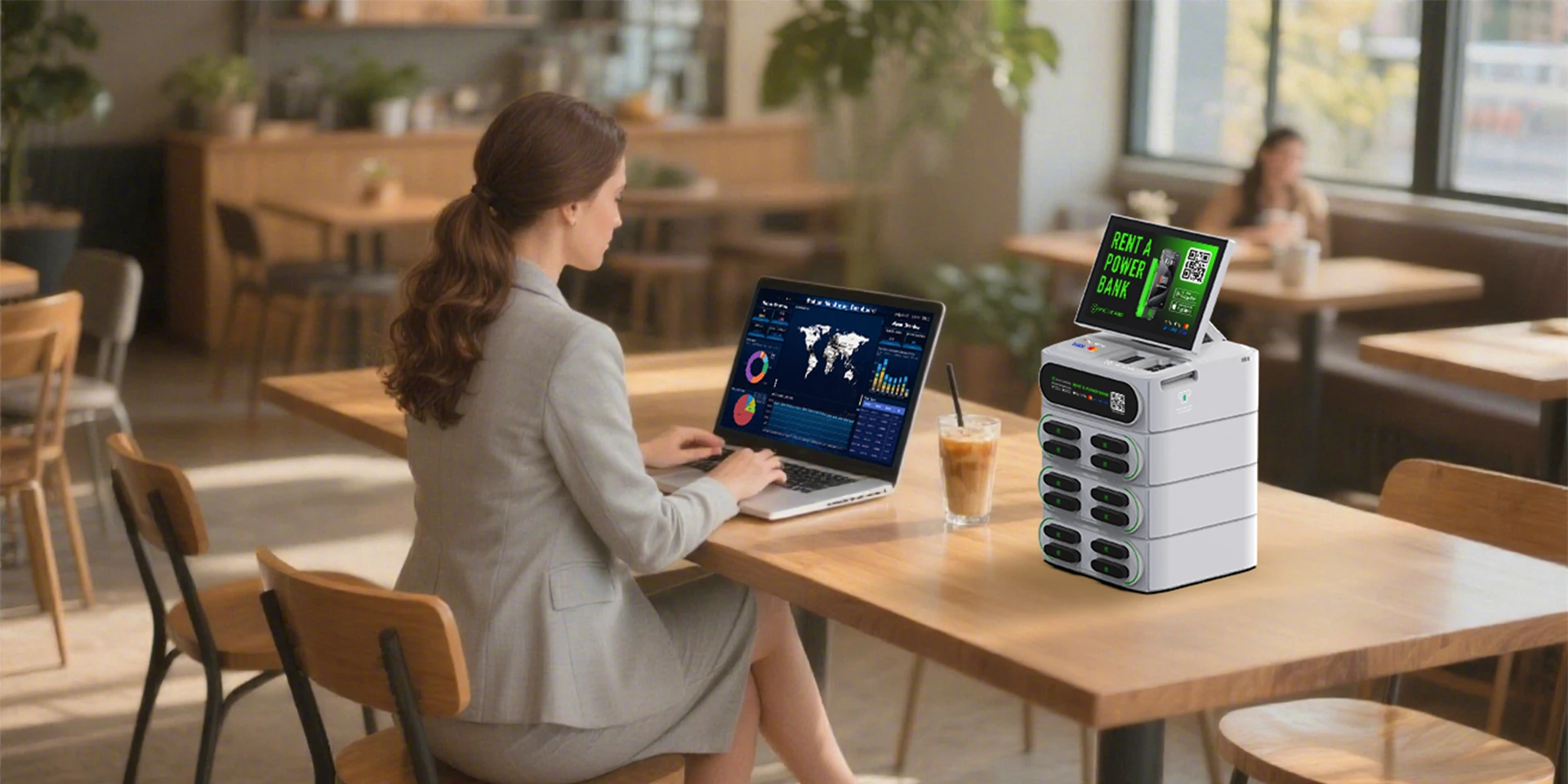
2. How Does Remote Management of Cell Phone Charging Stations Reduce Maintenance Costs?
Traditional equipment maintenance requires significant manpower. Routine inspections and troubleshooting consume substantial labor and time. Moreover, most investors operate across multiple cities or regions, managing hundreds of charging stations for multiple devices simultaneously, making manual maintenance costly and inefficient.
With a mobile charging station technology platform, operators can remotely monitor device status, track the distribution and usage of power banks, and access rental data statistics in real time. Intelligent operations and maintenance significantly reduce costs.
The system features automatic fault detection, intelligently identifying low-health batteries, automatically disabling charging for faulty units, and locating jammed or misplaced power banks. This allows investors to precisely identify devices requiring maintenance, resolve issues quickly, and improve overall operational efficiency.
3. How Does an Intelligent Management System for Mobile Phone Charging Stations Handle Device Issues?
When users rent a mobile phone charging station, they may encounter issues such as inability to rent a power bank or failure to return it. If these problems are not resolved promptly, user experience will be severely affected and may lead to user loss.
For example, rental failures may result from device malfunctions, network connectivity issues, or user account abnormalities. Return failures may be caused by recognition errors, network issues, or improper user operation.
So how can user issues be handled promptly? The system provides fault warnings, automatic device inspections, and multi-layer fault detection to identify abnormalities in advance. Intelligent alerts notify maintenance personnel immediately to handle issues on-site.
Investors can also set permission levels, allowing venue staff to have different operational roles. For example, Employee A can be responsible for daily cabinet maintenance, such as replenishing power banks and checking cabinet status. When issues cannot be resolved remotely, on-site staff can assist users directly.
With an efficient management backend and agile response mechanisms, the technology platform can accurately resolve user issues, optimize user experience, effectively increase usage frequency, and generate more revenue for the mobile cell phone charging station business.
Conclusion
Through a portable charging station technology platform, investors can efficiently manage all cabinets and power banks—from installation and commissioning to updates and maintenance—under a unified system. The platform records installation locations, deployed quantities, and maintenance status in real time, helping investors respond quickly to market demands.
By analyzing cabinet utilization across different venues and regions, rental frequency, user usage duration distribution, and revenue performance, investors can develop more scientific deployment strategies. If rental rates in a specific area or venue continue to rise or fall, device quantities can be adjusted accordingly. When certain devices fail, the system quickly diagnoses and resolves issues with high efficiency.
By leveraging a multiple phone charging station technology platform, investors can achieve efficient operation and management of large-scale deployments, maintain real-time visibility into device status, proactively address anomalies, and operate large businesses efficiently at low cost.