
Mobile charging stations address a high-frequency demand for on-the-go power, generating stable and continuous cash flow for operators. However, the core of launching a portable charging station business lies in selecting the right manufacturer. The reliability of the factory directly determines whether operators can achieve long-term profitability.
With so many power bank rental manufacturers in the market, how can operators make a scientific and informed selection? This article provides a comprehensive guide to help operators evaluate and choose the right manufacturing partner.
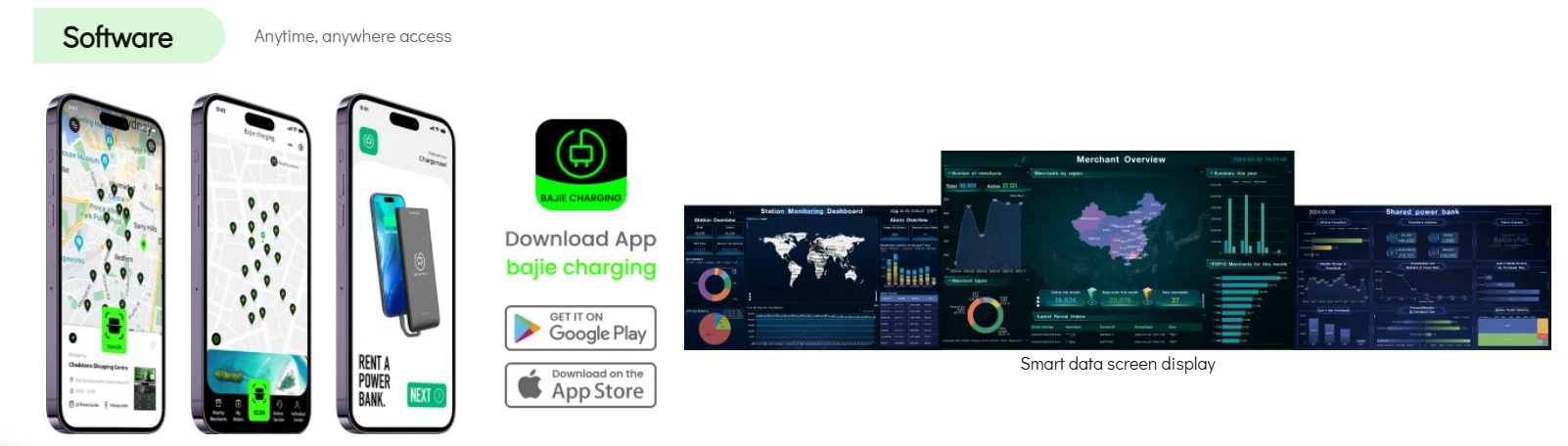
Operators can enter the multiple mobile charging station market through OEM or white-label solutions. OEM solutions support deep customization to meet personalized needs. White-label solutions provide a complete, market-proven hardware and software package (including SaaS cloud platform, operation management system, mini-program/app/H5, etc.), enabling operators to quickly build their own power bank rental machine brand and launch their business efficiently.
1. How to Choose a Professional Power Bank Portable Charger Manufacturer?
Evaluate Qualifications and Experience
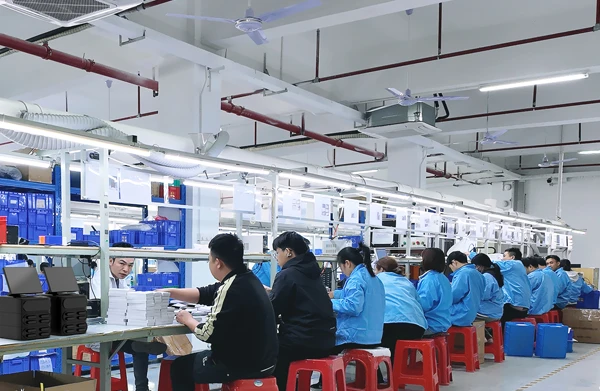
Operators should verify whether the manufacturer holds valid production licenses, export qualifications, and relevant industry certifications. It is also important to assess whether the factory has experience serving overseas clients and to review its successful case studies.Additionally, evaluate the factory’s production scale, R&D capabilities, and the robustness of its quality management system to ensure it can support global market operations.
Assess Customization Capabilities
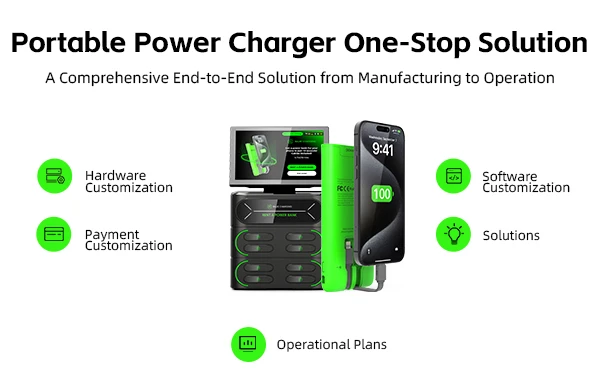
A professional manufacturer should provide integrated hardware and software customization services, including: App development, Backend management system, Hardware design and production, Payment gateway integration, Pay attention to the factory’s capabilities in circuit design, cabinet structure, and feature development, as well as its responsiveness in prototyping, small-batch production, and iterative improvements.
Product Quality and Safety Standards
Since shared power banks are typically deployed in public places such as shopping malls and airports, product quality and safety are critical. Ensure the manufacturer complies with international safety standards and certifications required in target markets, such as:ISO certifications, CE,FCC
After-Sales Service and Technical Support
Evaluate whether the manufacturer provides: Technical support, Maintenance guidance, Firmware upgrades, Also, assess their response time and problem-solving efficiency.
Ultimately, operators should choose manufacturers who communicate proactively, understand customization needs accurately, and demonstrate strong R&D iteration capabilities to build a long-term partnership.
2. What Is the Process of Customizing Shared Power Banks with a Manufacturer?
Requirement Communication and Solution Design
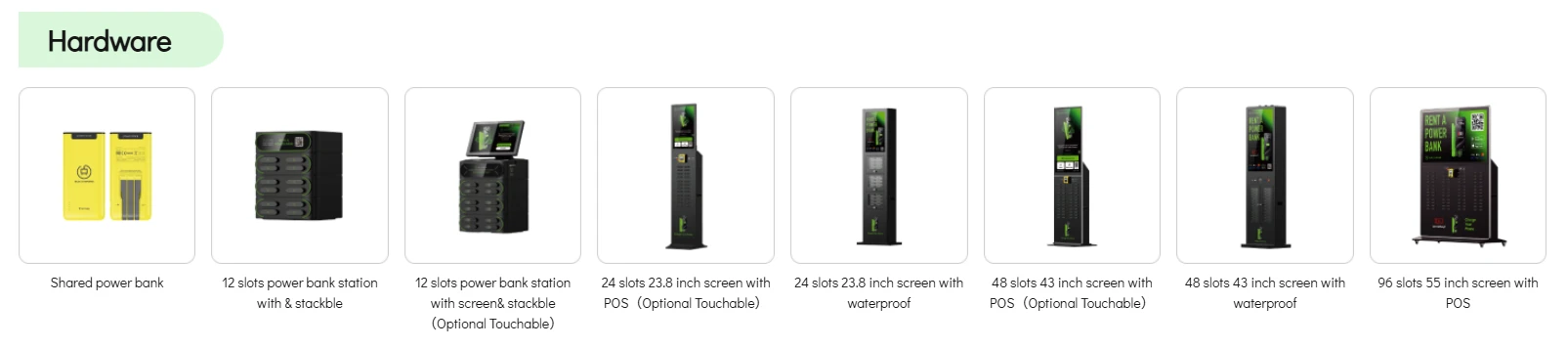
Operators should clearly communicate target market requirements with the manufacturer’s technical team. Together, they define the optimal customized solution, including:Hardware configuration, Software features, Industrial design, App language localization,Integration with local payment systems.
Product Design and Prototyping
The manufacturer develops detailed product designs and produces prototypes for testing. Operators should thoroughly evaluate performance, functionality, and appearance, and provide feedback for further refinement.
Mass Production
After validation, the project enters large-scale production, including hardware manufacturing and software deployment.
Quality Inspection and Acceptance
Strict quality control is implemented throughout production. After delivery, the manufacturer should provide continuous support such as version upgrades and technical services, ensuring efficient issue resolution.
3. How to Successfully Launch a Shared Power Bank Business Locally?
Localization Strategy
Products and services must align with local user habits. Operators should: Build local teams, Ensure regulatory compliance, Develop targeted marketing campaigns based on regional characteristics.
Channel Development
Prioritize deployment in high-traffic locations such as: Commercial centers, Transportation hubs, Tourist attractions,Leverage available resources to quickly secure premium locations and gain market leadership.
Operation and Maintenance
Smart management systems enable real-time monitoring of device status, supporting self-service operation and maintenance. This allows operators to scale across multiple cities and countries without worrying about equipment failures.
Data Analysis
By analyzing:Foot traffic, Device utilization rates, Peak usage periods, Operators can optimize site selection and improve overall revenue performance.
Conclusion
Partnering with a professional charging station kiosk manufacturer for customized production is the key to entering overseas markets quickly and efficiently.It helps operators shorten product preparation cycles, better meet user needs, mitigate risks, and rapidly establish a competitive advantage by delivering solutions tailored to local markets.