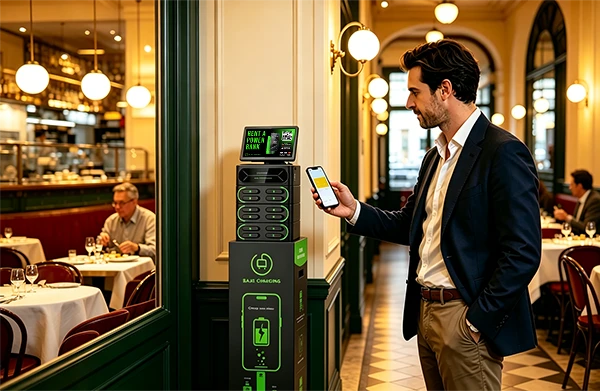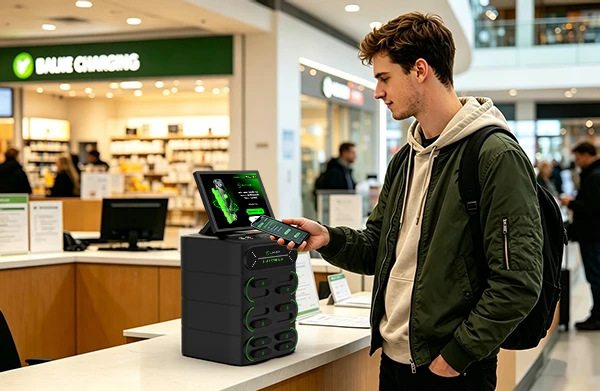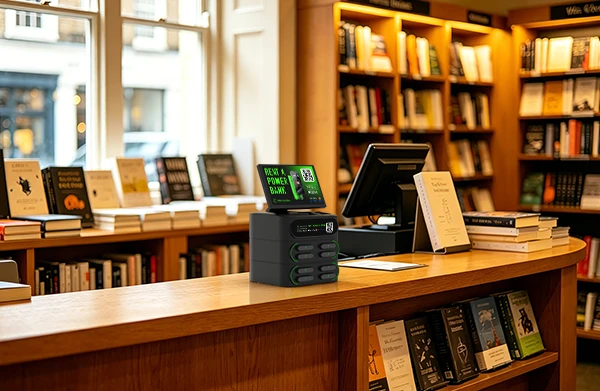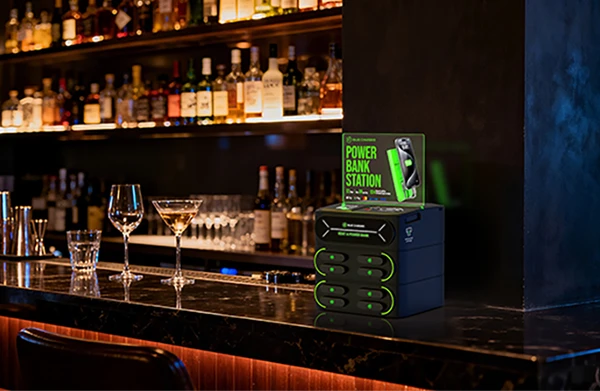

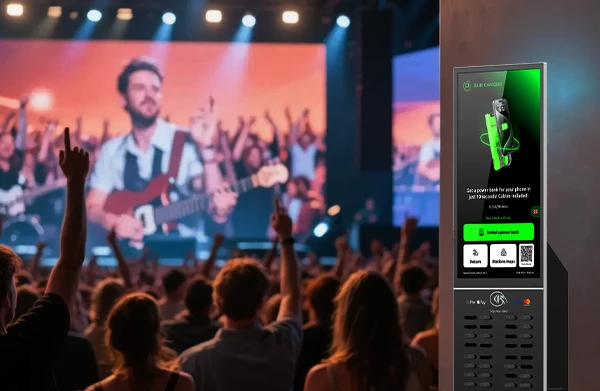
People’s phone batteries drain quickly, and instant charging needs can happen anytime. Carrying a personal power bank is also easy to forget. A power bank station solves emergency charging needs when people are outside through a convenient rent-and-return network. In scenarios such as tourism, business trips, and daily commuting, users do not need to prepare in advance — they can simply scan a code or tap a card to rent and use a power bank easily.
If operators want to rapidly expand their business, efficiently covering high-value traffic entrances can help accelerate market expansion and seize opportunities in the power banks & power station market.
1.Which venues are truly high-value locations for deploying portable charging stations?
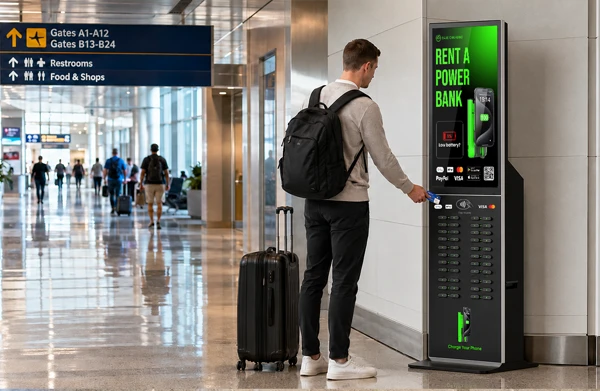
High-traffic venues generally share characteristics such as large visitor flow, long dwell time, frequent mobile phone usage, and fast battery consumption. In airports, shopping malls, and transportation hubs, passenger traffic is huge, and users spend long periods waiting, making low-battery anxiety more common and rental demand stronger. Airport passengers usually arrive 1–2 hours before departure, and with delays or transfers, their stay may extend to 2–3 hours or even longer, creating urgent charging needs.
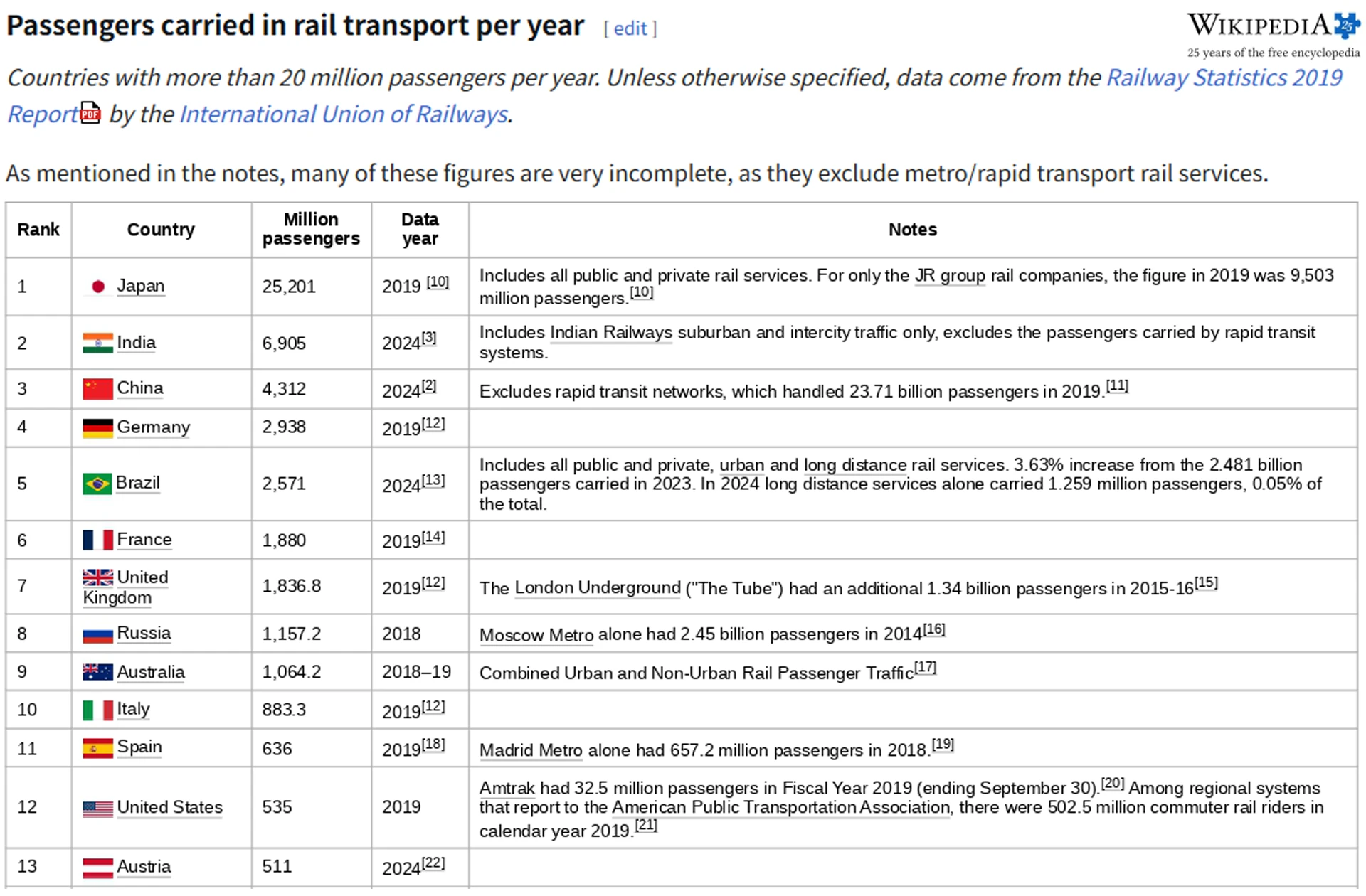
According to ACI’s World Airport Traffic Forecast (2024–2053), global air passengers will reach 9.9 billion in 2025 and grow to 18.7 billion by 2045. According to global railway travel statistics from the International Union of Railways, railway systems carry enormous passenger traffic worldwide, and instant charging has become a rigid demand during commuting and travel.
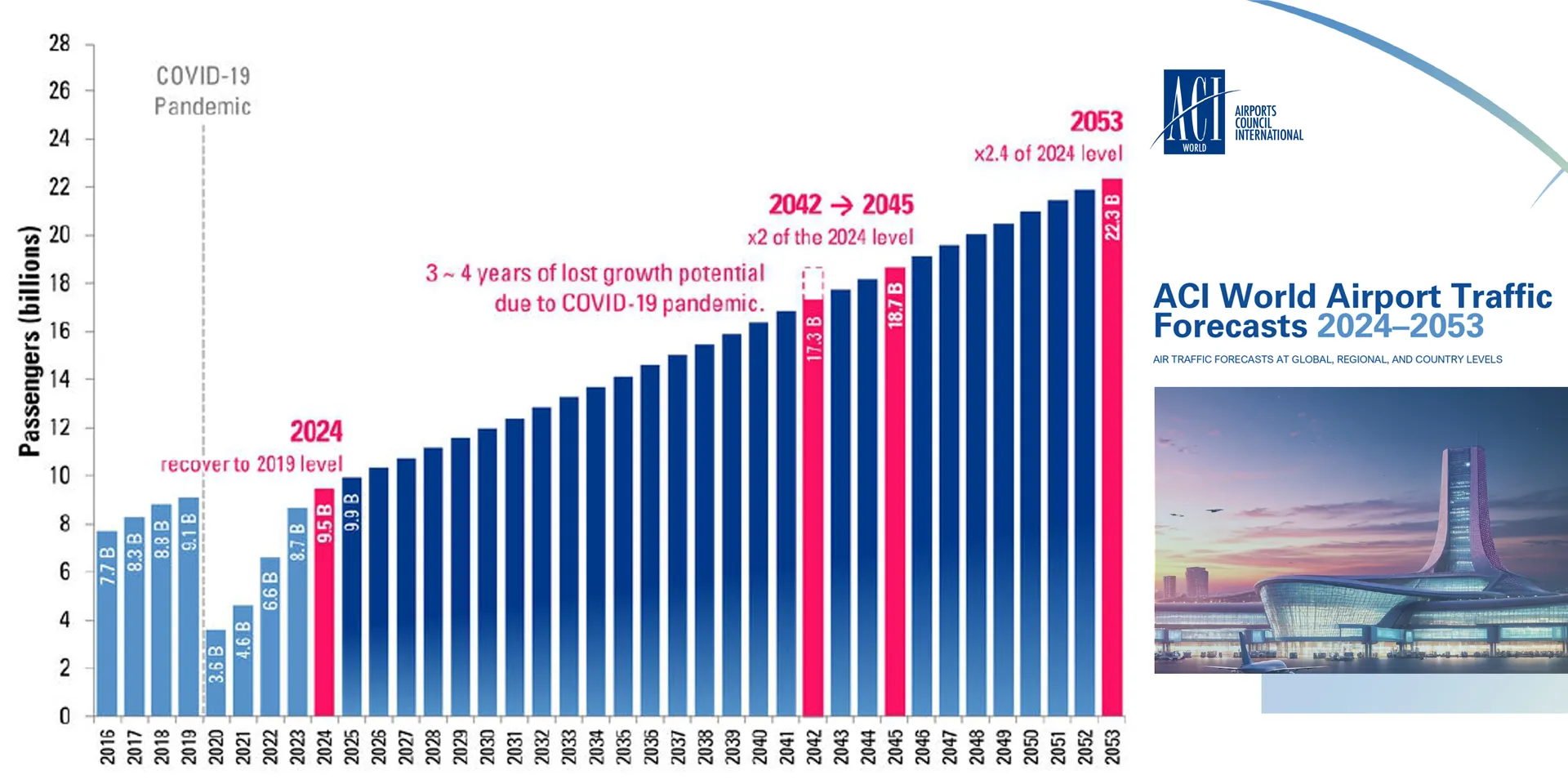
Data from the International Union of Railways (UIC) shows that global railway systems serve massive passenger volumes. In high-frequency travel scenarios such as commuting and tourism, travelers have strong real-time charging needs. The continuous growth in travel demand is simultaneously driving demand for mobile charging services, creating broad opportunities for the rent a power bank market.
Hospitals are also long-stay scenarios. According to statistics from SPRINGER NATURE Link, the average emergency department stay time is relatively long in many countries: 129.6 minutes in Australia and the UK, 163.8 minutes in New Zealand, and as high as 181.5 minutes in Canada. Patients generally stay in hospitals for more than two hours, while patients and their families frequently use phones for communication, information searches, and entertainment, creating strong charging demand. A phone charger vending machine can conveniently meet users’ charging needs and provide efficient mobile charging services.
Hospitals have large daily visitor traffic and long dwell times. Patients, family members, and medical staff create heavy traffic during different periods of the day, bringing a stable and continuous user base for the portable charger fast charge business, with high device utilization and low idle rates.
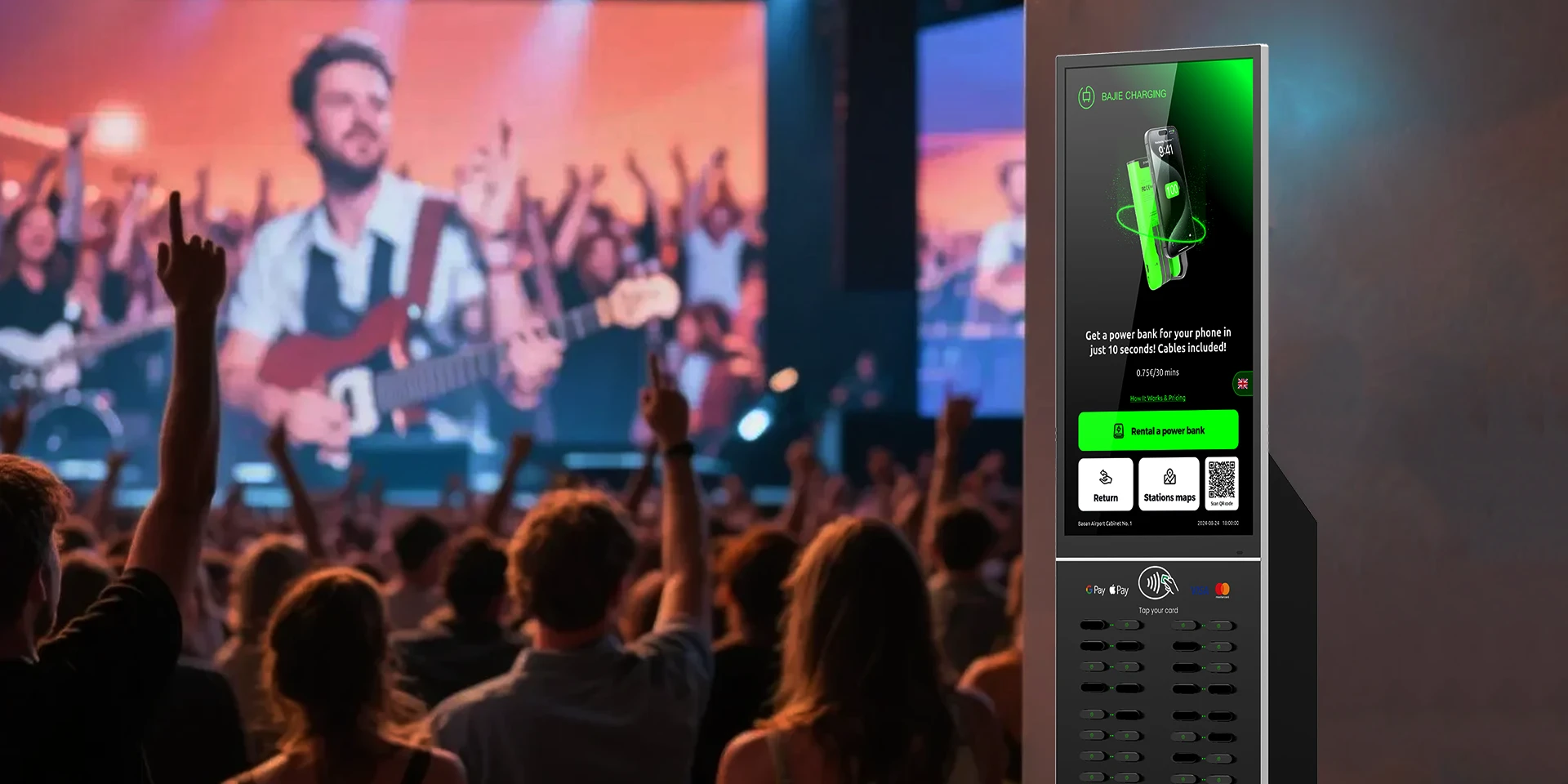
Concerts, music festivals, and large sporting events usually last for several hours or even several days. Fixed charging outlets are often difficult to find on-site, and users running out of battery during long activities can face inconvenience. Power bank rent services provide convenient and instant mobile charging, allowing audiences and visitors to continue using their phones.
2.How can shared power bank rental stations cover high-traffic venues more efficiently?
Based on globally validated profitability data, portable power bank station deployment scenarios can be divided into Tier 1, Tier 2, and Tier 3 venues according to revenue potential. Tier 1 venues are transportation hubs with huge passenger traffic and long dwell times, where users have urgent charging needs. Based on an 8-slot fast charging power bank unit costing around USD 300, weekly revenue in high-performing scenarios can exceed USD 20. Railway stations and airports generate about USD 27 weekly revenue, while hospitals can generate around USD 35.
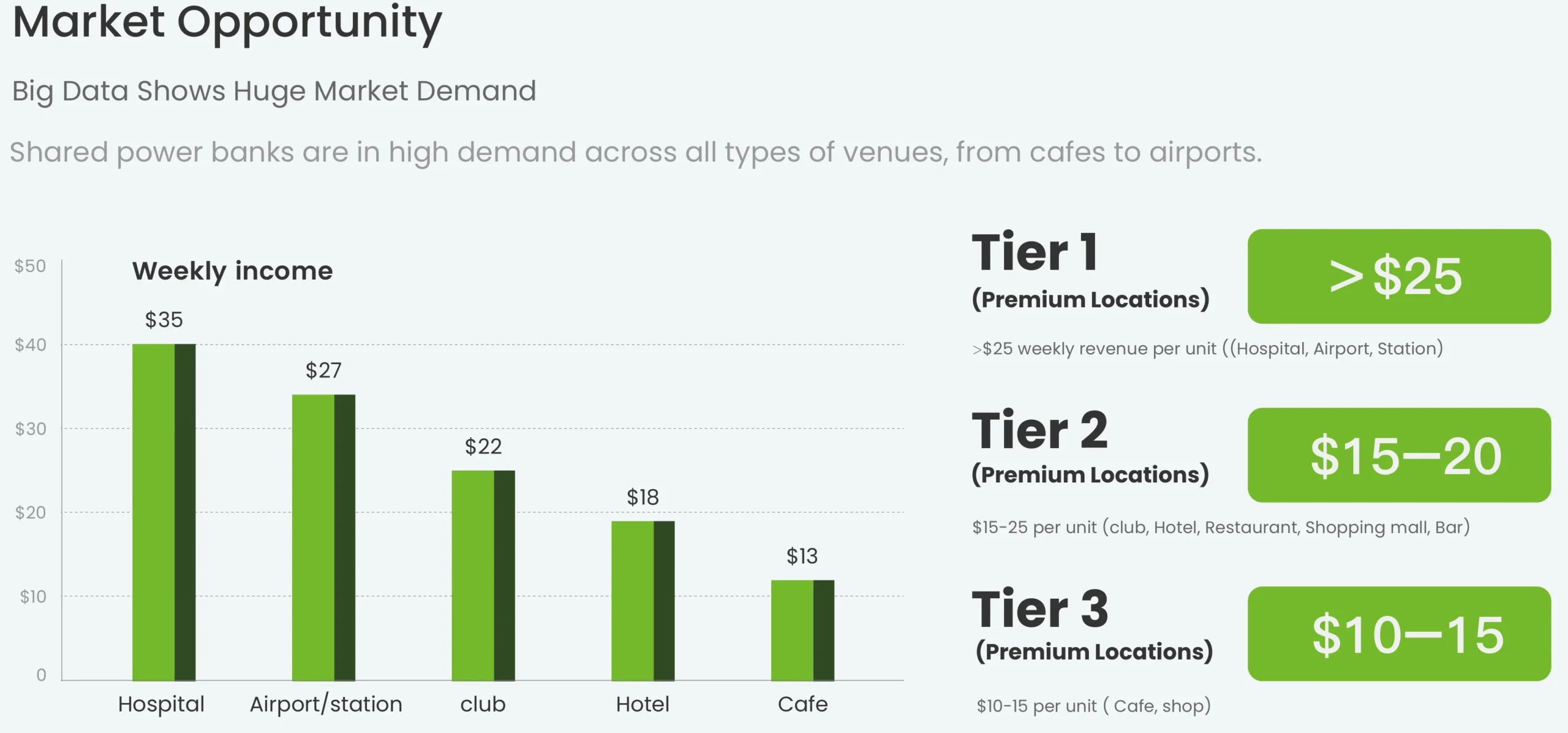
Tier 2 and Tier 3 venues mainly include cinemas, shopping malls, restaurants, and tourist attractions, where weekly revenue per unit ranges between USD 10–20. These venues usually have larger deployment scale and stronger network effects.
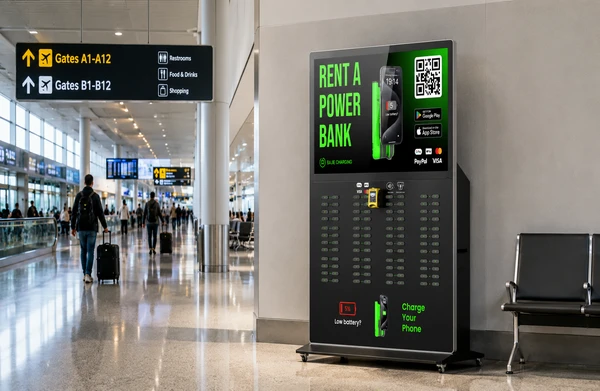
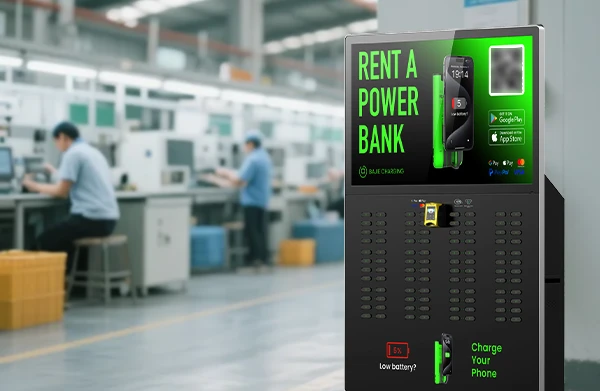
High-traffic venues are more suitable for large-capacity, multi-slot power banks fast charge stations, which can better meet high-frequency rental demand. Large-capacity charging stations are available in various specifications, including 24-slot, 48-slot, 72-slot, 96-slot, 120-slot, 168-slot, and even 216-slot super-large charging stations. More slots can serve wider user demand and reduce customer loss caused by insufficient charging ports, while high utilization improves business revenue. Large vertical charging stations also support brand display and simultaneous multi-device charging, bringing greater commercial returns for operators.
Advertising charging stations are ideal for premium commercial districts, generating dual income streams through both advertising revenue and rental revenue. Users’ rigid mobile charging needs provide stable rental income, while advertising screens can display brand advertisements and generate additional advertising profits.
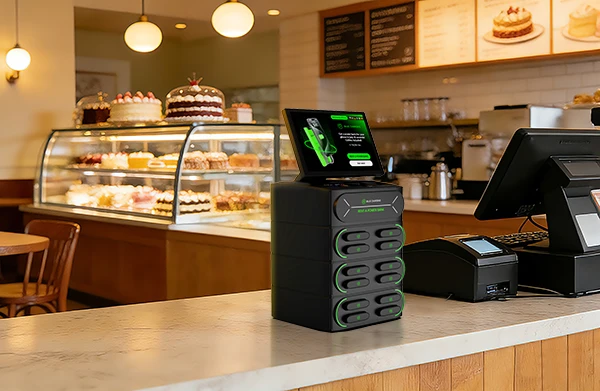
For cafes, restaurants, and similar venues, desktop commercial power bank stations should be prioritized. Desktop charging stations are compact, convenient, and low-cost to deploy, making them ideal for lightweight deployment. These tabletop charging stations are plug-and-play and can effectively meet users’ daily charging needs. To save store space, they can also be flexibly deployed with floor stands, lightbox displays, wall-mounted racks, and other display solutions.
Conclusion
Power bank for phone operators can prioritize deployment in airports, railway stations, hospitals, and other high-value venues with large traffic flow, long dwell times, and high mobile phone usage frequency. Short-term large events such as music festivals and concerts may create peak rental demand while also increasing brand awareness. By deploying phone charging vending machines in both high-traffic event venues and long-term fixed locations, operators can cover both temporary and permanent scenarios and rapidly increase market share.
Different traffic volumes, user dwell times, and consumption scenarios require different types of mobile phone charging stations. Blind deployment may lead to equipment idleness or insufficient supply, negatively affecting portable battery power station business profitability. Through accurately matched deployment strategies, operators can improve investment returns.